Peptides for Longevity in 2026: Which Ones Are People Actually Talking About?

The conversation around peptides has moved well beyond research papers. In 2026, peptide therapy is discussed on executive podcasts, biohacking forums, and longevity clinics in the same breath as blood panels and VO2 max. The challenge is separating signal from noise in a space where a rodent study and a peer-reviewed human trial get cited with the same confidence.
This is a physician-guided map of the peptides generating the most discussion in 2026, what mechanisms are plausible, where the evidence is thin, and what questions a physician should answer before any protocol begins.
What Is a Peptide?
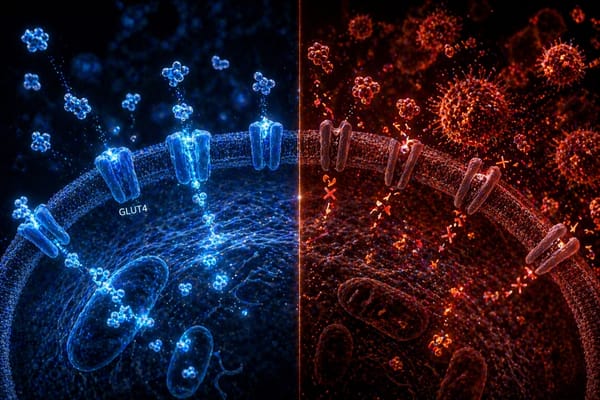
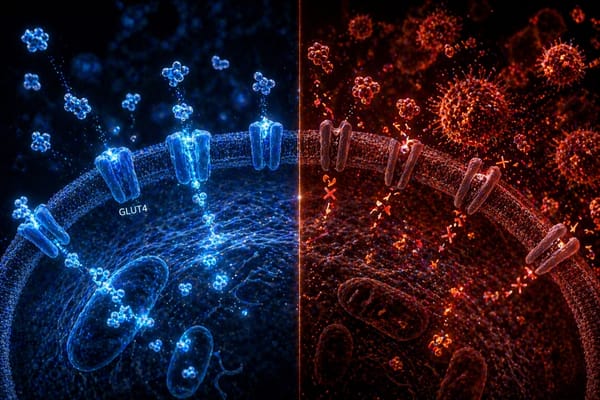
A peptide is a short chain of amino acids, shorter than a full protein, but biologically active. Your body produces thousands of them naturally. They function as signaling molecules: directing cells to produce specific proteins, modulate inflammation, stimulate hormonal release, or initiate tissue repair.
Therapeutic peptides are either isolated from natural sources, synthesized to mimic naturally occurring sequences, or engineered to interact with specific receptors. The word "peptide" covers a wide spectrum: from fully FDA-approved drugs like semaglutide, to compounded preparations like BPC-157, to research-use-only compounds that have never been tested in a formal human clinical trial. That distinction is not semantic. It has direct implications for safety, quality, and legal status. The regulatory breakdown is covered in full here: Are Peptides FDA Approved, Compounded, or Research Use Only?
The Peptides Getting the Most Attention in 2026
BPC-157 (Body Protection Compound 157)
Originally identified in gastric juice, BPC-157 has attracted significant attention for tissue repair, tendon healing, and gut health. The evidence base is almost entirely animal-derived. Human trials are limited. It remains a compounded peptide with no FDA approval for systemic use. Full breakdown: BPC-157: What It Is, What People Claim, and What Evidence Actually Exists
TB-500 (Thymosin Beta-4 Fragment)
TB-500 is a synthetic fragment of Thymosin Beta-4, a protein involved in actin regulation and tissue remodeling. Like BPC-157, the evidence is preclinical. The two peptides are frequently stacked because their claimed repair mechanisms differ. Their distinctions are covered here: TB-500 vs BPC-157: What's the Difference?
GHK-Cu (Copper Peptide)
GHK-Cu has a more substantial published literature than most peptides in this category, with studies covering wound healing, skin regeneration, and hair follicle stimulation. Most human-relevant data comes from in vitro and animal models, though topical human data is more developed than most realize. Full analysis: GHK-Cu for Hair, Skin, and Recovery
GLP-1 Agonists (semaglutide, tirzepatide, retatrutide)
These represent the most clinically validated compounds in the metabolic longevity space. They began as diabetes drugs, evolved into weight-loss medications, and are increasingly studied for cardiovascular, metabolic, and longevity-extending effects. The evidence profile here is categorically stronger than for most research peptides. Full breakdown: GLP-1s and Longevity
Sermorelin and Ipamorelin
Growth hormone secretagogues that stimulate the pituitary to release growth hormone naturally, rather than administering exogenous GH directly. Used in clinical settings for age-related GH decline, with a more established safety record than direct GH administration.
Epithalon
A short synthetic tetrapeptide claimed to influence telomere length and cellular aging. Research is thin and largely derived from a single laboratory tradition. Claims significantly outpace the available evidence.
PT-141 (Bremelanotide)
One of the few peptides in this category with formal FDA approval, specifically for hypoactive sexual desire disorder in premenopausal women. A useful example of what regulatory approval actually looks like in this space.
The Evidence Hierarchy Problem
Most peptides discussed in longevity circles have been studied in cell cultures or rodents. The jump from a rodent result to a human clinical outcome is not automatic. When a physician evaluates a peptide, the relevant questions are:
- What species is the evidence from, and at what dose?
- Has it been studied in humans, at what dose, and in what population?
- What is the preparation quality and sterility of the compound?
- What is the safety profile at the intended dose?
- Can the intended outcome be tracked with a measurable biomarker?
Without answers to those questions, peptide use is not optimization. It is unsupervised experimentation.
How Diab Longevity Evaluates Peptide Protocols
No peptide is prescribed at Diab Longevity because a client read about it online. Every peptide consideration begins with a complete biomarker baseline, is evaluated against that individual's biological profile, and is tracked through DiabOS for measurable outcome.
The starting point for any discussion about peptide therapy is not a prescription. It is an audit.
Start Your Optimization Review to find out whether peptide therapy belongs in your protocol.
*Medical disclaimer: This content is educational and does not constitute medical advice. Peptide protocols are individualized and supervised by a licensed physician.*