GHK-Cu for Hair, Skin, and Recovery: Is the Hype Justified?
GHK-Cu (copper peptide) is one of the few peptides in the longevity and aesthetics space with a published human literature that extends beyond rodent studies. It has been studied since the 1970s and has applications across wound healing, skin rejuvenation, and more recently hair loss. That does not make it a solved question, but it does put it in a different evidence category than most peptides currently discussed in longevity circles.
This post breaks down what GHK-Cu is, what the research supports, where the hype exceeds the evidence, and how it fits within a broader longevity protocol. It connects to the peptides overview Peptides for Longevity in 2026 and the broader claims analysis Peptide Therapy for Longevity: Which Claims Sound Plausible and Which Do Not?
What Is GHK-Cu?
GHK-Cu is a naturally occurring tripeptide, glycine-histidine-lysine, that binds copper. It was first identified in human plasma in 1973 by researcher Loren Pickart, who noted that it appeared to stimulate liver tissue regeneration. It is present naturally in human plasma, saliva, and urine, and declines measurably with age.
At age 20, plasma GHK-Cu is approximately 200 ng/mL. By age 60, that level has fallen by roughly 60%. This age-related decline has been proposed as one mechanism by which aging tissue loses repair capacity.
Proposed Mechanisms
GHK-Cu has several proposed biological mechanisms with published support:
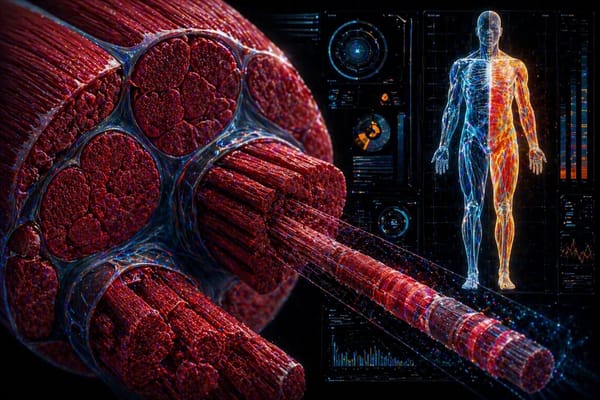
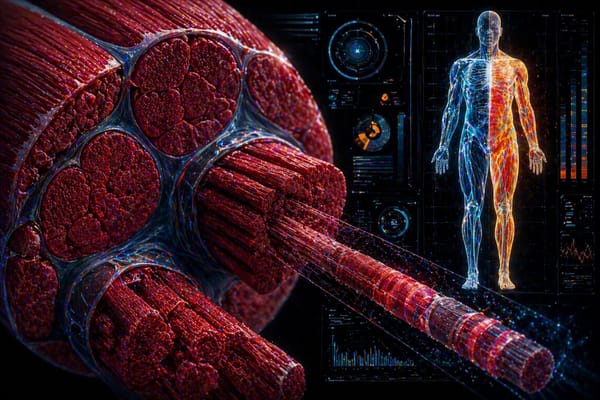
Collagen synthesis: GHK-Cu has been shown to stimulate collagen production in fibroblasts in vitro and in wound-healing models. This underlies most of its skin-related applications.
Wound healing and tissue repair: In animal and some human wound-healing studies, topical GHK-Cu has shown accelerated tissue closure and reduced scar formation.
Anti-inflammatory activity: GHK-Cu appears to downregulate pro-inflammatory cytokine signaling and upregulate antioxidant gene expression, including superoxide dismutase and catalase.
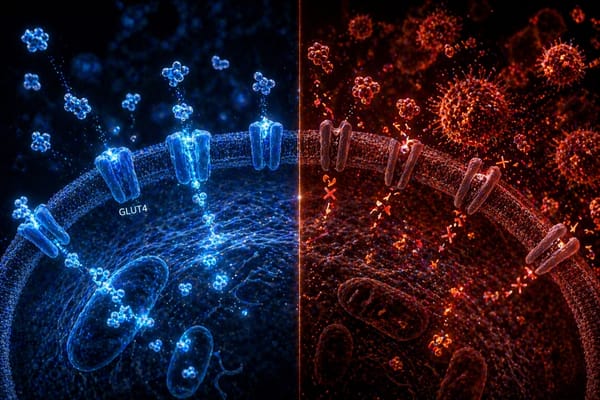
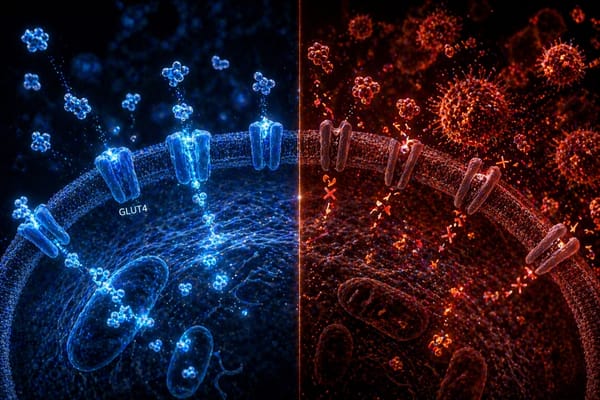
Gene expression modulation: Research has identified GHK-Cu as a broad modulator of gene expression, upregulating genes associated with repair and tissue maintenance while downregulating genes associated with inflammation. This finding is frequently cited in longevity contexts, though translating in vitro gene expression data to human healthspan outcomes requires significant caution.
Hair follicle stimulation: Several studies show GHK-Cu may enlarge hair follicle size and stimulate hair growth, potentially by increasing vascular supply to follicles. Studies here are small but the mechanism is plausible.
What the Evidence Actually Supports
Topical skin applications: This is where the evidence is strongest. Topical GHK-Cu is used in cosmetic formulations with some clinical data supporting improvements in skin laxity, fine lines, and texture. These are not large randomized controlled trials, but the data is better than for most peptides in this space.
Wound healing: The wound-healing data in humans is more robust than many realize. GHK-Cu has been studied in clinical wound care settings with positive results.
Hair: Early evidence is encouraging but the studies are small. Larger trials would be needed to make definitive claims.
Systemic longevity effects: The gene expression modulation data is interesting but largely in vitro. The leap from "modulates gene expression in a cell culture" to "extends healthspan in humans" is not supported by current clinical evidence.
Topical vs. Systemic: An Important Distinction
Most GHK-Cu evidence is topical or in vitro. Systemic administration, whether injectable or oral, raises additional questions about bioavailability, metabolism, and dose-response that are not well characterized in humans. Claims about systemic injectable GHK-Cu producing equivalent effects to topical applications are not directly supported by parallel human data.
Where the Hype Exceeds the Evidence
Claims that GHK-Cu "resets your biological age" or produces systemic longevity effects through oral administration are not supported by clinical trial evidence. The gene expression data is real but has not been translated into measurable longevity outcomes in human populations. This is an area where the mechanism is genuinely interesting and the evidence base is better than average, but the retail marketing frequently outpaces what the science actually shows.
How It Fits in a Longevity Protocol
GHK-Cu is a reasonable tool within a carefully supervised protocol where specific outcomes, skin repair, wound healing, hair follicle health, can be tracked and measured. It is one of the better-supported cosmetic peptides in the current landscape.
At Diab Longevity, peptide decisions are always linked to measurable outcomes tracked through DiabOS. A peptide that cannot be evaluated against a tracked metric is not a protocol, it is a guess.
Start Your Optimization Review.
*Medical disclaimer: This content is educational and does not constitute medical advice. All protocols are individualized and supervised by a licensed physician.*